Energy Trust of Oregon
Comfort, Efficiency and Lower Energy Cost
Energy Trust of Oregon Rebates & Incentives
Energy Trust of Oregon rebates and incentives help homeowners reduce the cost of energy-efficiency improvements such as heat pumps, heat pump water heaters, insulation, air sealing, duct sealing, and other upgrades that improve comfort, indoor air quality, and energy efficiency. Funding for these programs comes primarily from participating Oregon utilities, along with support from state and federal energy-efficiency initiatives.
Many homeowners may qualify for valuable incentives when upgrading to a
high-efficiency heat pump. Current Energy Trust incentives can include rebates
of $1,800 for qualifying ductless heat pumps in site-built homes, $3,500 for
qualifying ductless heat pumps in manufactured homes, $2,000 for qualifying
extended-capacity ducted heat pumps, and up to $6,000 when replacing an
electric furnace with a qualifying extended-capacity heat pump. Incentive
amounts vary based on household income, existing heating equipment,
home type, and program eligibility. Some income-qualified households may be eligible for enhanced incentives, including no-cost ductless heat pumps worth up to $8,500 and no-cost ducted heat pump installations worth up to $13,000.
As an Energy Trust Trade Ally, we help homeowners navigate the qualification process and identify opportunities to improve their home's energy efficiency. During a free, no-obligation consultation, we'll gather information about your insulation, heating and cooling equipment, and water heater, then submit the necessary information to Energy Trust of Oregon for eligibility review. Energy Trust will determine which rebates, incentives, or free services may be available for your home. Call today to schedule your free consultation and find out what programs and benefits you may qualify for.
Heat Pump Installation & Replacement
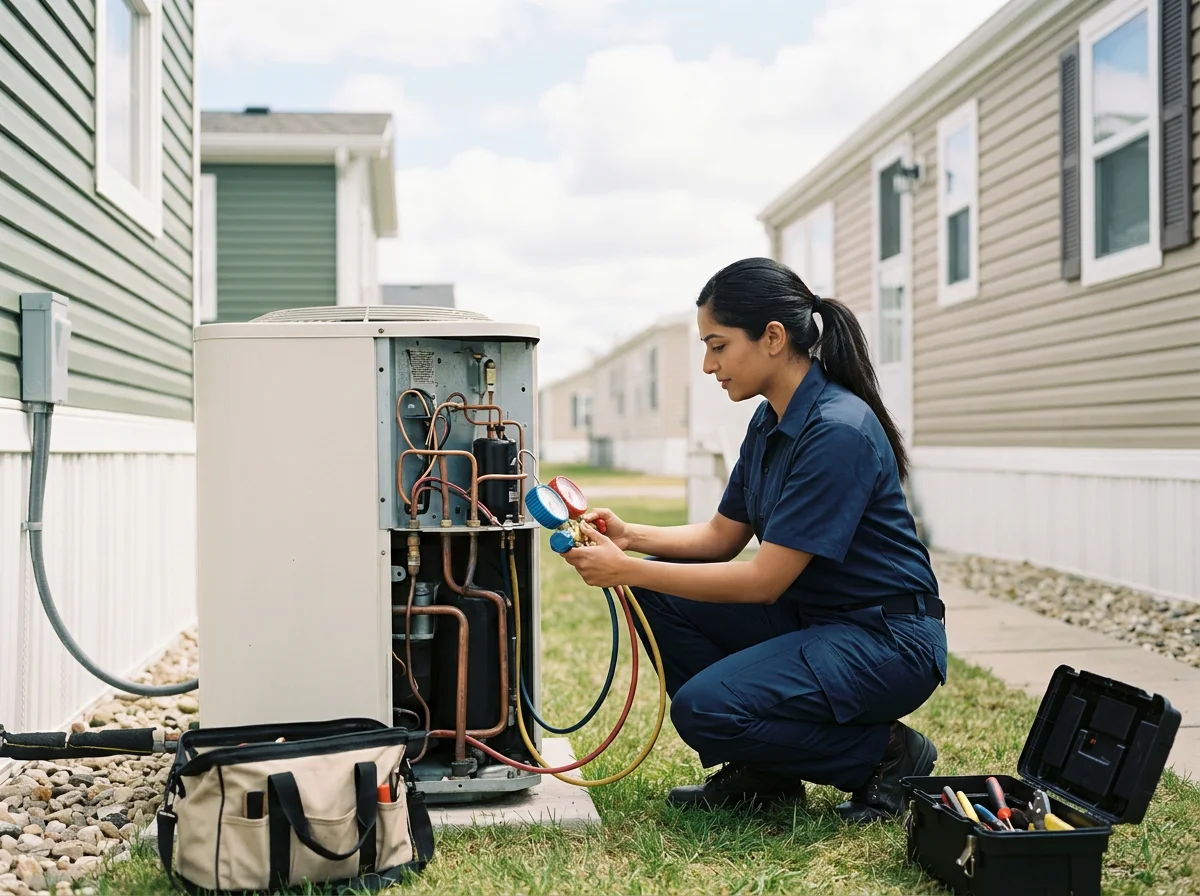
A heat pump is an energy-efficient system that provides both heating and cooling by transferring heat rather than generating it directly. While a traditional system uses an outdoor air conditioner for cooling and an indoor electric resistance furnace for heating, a heat pump does both jobs with a outdoor unit and indoor air handler. In cooling mode, a heat pump operates much like a standard air conditioner. In heating mode, however, it transfers heat from the outdoor air into the home, allowing it to deliver two to four times more heat energy than the electricity it consumes. Many homeowners upgrade to heat pumps to lower utility bills, improve comfort, and take advantage of available rebates and incentives. Compared to a conventional air conditioner and electric resistance furnace combination, a heat pump can reduce heating energy consumption by 50% or more.
A complete heat pump system includes a new outdoor heat pump unit, a new indoor air handler that replaces the existing furnace, and a new smart thermostat. Together, these components provide efficient heating and cooling through your home's existing ductwork, while improving comfort, air circulation, and temperature control. In addition to lowering energy costs, homeowners replacing an electric furnace may qualify for $4,000 to $6,000 in rebates, with income-qualified households eligible for incentives of up to $13,000, making a high-efficiency heat pump one of the most cost-effective home energy upgrades available.
Ductless Mini-Split
Ductless mini-split heat pumps are widely regarded as one of the most efficient heating and cooling systems available today. Unlike traditional furnaces, baseboard heaters, or central air conditioners, mini-splits use advanced inverter technology to continuously adjust their output based on the home's heating and cooling needs, reducing energy waste and maintaining consistent comfort. Many modern mini-split systems achieve exceptionally high SEER (Seasonal Energy Efficiency Ratio) ratings, in some cases reaching a SEER rating of 38. Higher SEER ratings indicate greater cooling efficiency and lower operating costs.
A modern ductless mini-split with a SEER rating of 38 can use dramatically less electricity than an older air conditioning system rated at 10 SEER, delivering nearly four times more cooling efficiency for the same amount of energy consumed. This means homeowners can enjoy greater comfort and significantly lower cooling costs while reducing overall energy usage.
Homeowners who replace electric resistance heating with a ductless mini-split heat pump may qualify for incentives ranging from $1,800 to $3,500, with enhanced no-cost programs providing up to $5,800 for single-zone systems and $8,500 for two-zone systems for income-qualified households.
A high-efficiency furnace is a modern heating system designed to convert more fuel into usable heat while reducing energy waste and lowering heating costs. Many older furnaces operate at efficiencies of 60-80%, while today's high-efficiency models can achieve AFUE (Annual Fuel Utilization Efficiency) ratings of 95% or higher. In simple terms, a 95% AFUE furnace converts approximately 95 cents of every fuel dollar into heat for your home, wasting very little energy. The result is improved comfort, lower heating costs, quieter operation, and more consistent temperatures throughout the home. Homeowners served by qualifying natural gas utilities may also be eligible for rebates through Energy Trust of Oregon, including incentives of up to $2,900 for qualifying 95%+ AFUE furnace installations.
Installed in place of the existing furnace, the air handler is the indoor component of the heat pump system. Working together with the outdoor heat pump unit, it contains the blower, filtration system, indoor coil, and controls that distribute heated and cooled air throughout the home using the existing ductwork and vents. Heat pump air handlers often feature variable-speed motors for quieter operation and improved airflow. Many models can also be equipped with auxiliary electric heat strips that automatically activate during extremely cold weather or when rapid temperature recovery is needed.
Unlike older furnaces that may operate at efficiencies of just 60-80%, today's advanced models can achieve AFUE (Annual Fuel Utilization Efficiency) ratings of 95% or higher, meaning nearly all of the fuel consumed is converted into usable heat for the home. The result is lower heating costs, more consistent indoor temperatures, quieter operation, and improved overall comfort. Homeowners who prefer natural gas heating may still qualify for rebates of up to $2,900 on qualifying high-efficiency gas furnaces rated at 95% AFUE or higher.
Premium dual-fuel systems combine a high-efficiency heat pump with a 95-99% AFUE (Annual Fuel Utilization Efficiency) gas furnace. The heat pump provides exceptional energy efficiency during mild weather, while the gas furnace delivers powerful, rapid heating during colder temperatures. Together, these technologies offer some of the highest levels of comfort, performance, and year-round efficiency available in residential HVAC systems.
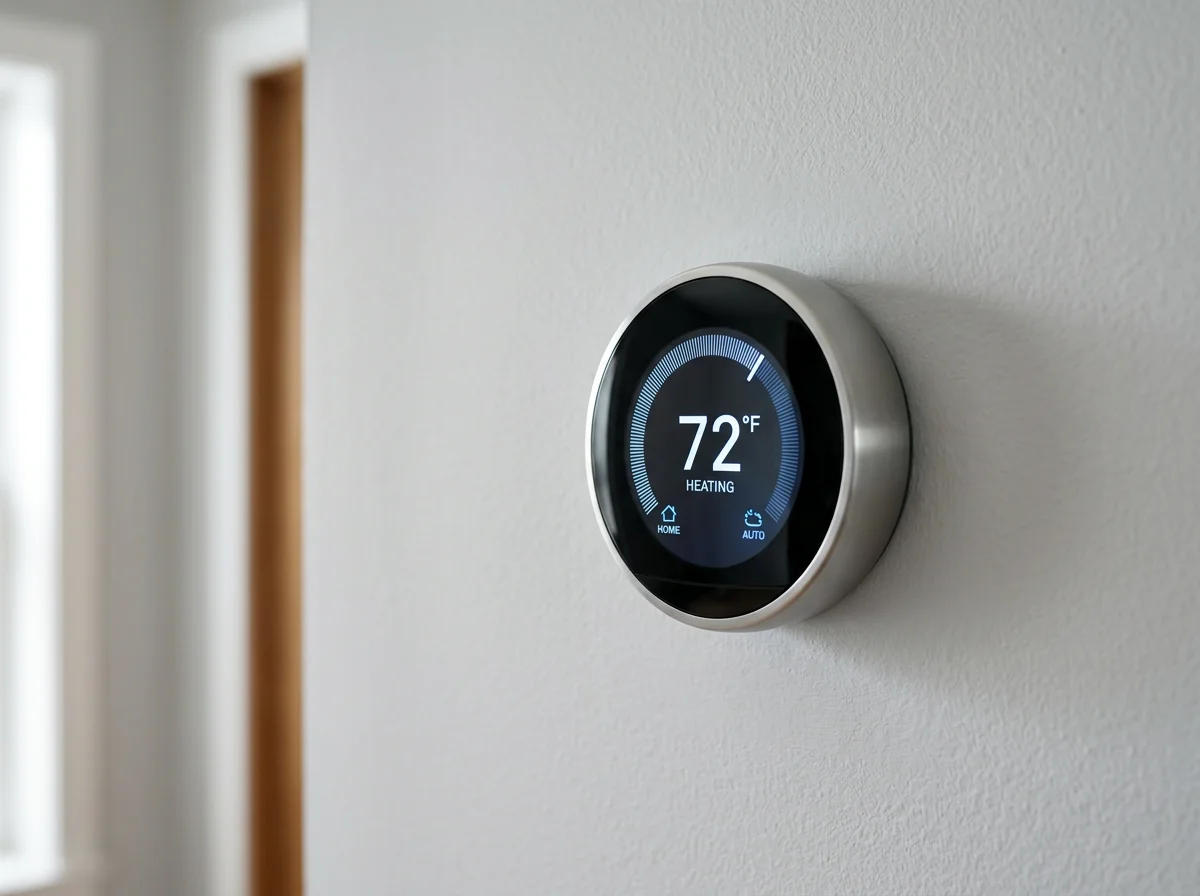
Advanced features such as programmable schedules, Wi‑Fi connectivity, remote access, and intelligent temperature controls allow homeowners to manage their home's comfort from virtually anywhere. When paired with a high-efficiency heat pump, furnace, or dual-fuel hybrid system, a smart thermostat can automatically optimize system operation for maximum comfort and efficiency. Homeowners with qualifying gas furnaces may also be eligible for incentives of up to $250 for qualifying smart thermostat installations through Energy Trust of Oregon.
Heat Pump Air Handler
High Efficiency Gas Furnace
Dual-Fuel Heat Pump & Gas Furnace System
Smart Thermostats
High Efficiency Furnace
Duct Sealing & Insulation
Leaky or poorly insulated ducts can allow heated and cooled air to escape before it reaches the rooms where it's needed. Duct sealing and insulation help improve comfort, increase airflow, reduce energy waste, and lower heating and cooling costs. By delivering conditioned air more efficiently, your HVAC system can work less while keeping your home more comfortable year-round.
Hidden duct leaks can be identified through visual inspections, infrared imaging, and specialized duct leakage testing. During testing, a calibrated fan is used to pressurize the duct system, helping locate areas where heated and cooled air may be escaping. Once identified, leaks can be sealed and repaired to improve comfort, airflow, and energy efficiency.
Even the best HVAC system can waste energy if air is escaping through leaks in the ductwork. During a duct sealing upgrade, technicians inspect accessible duct connections, joints, and fittings, then seal leaks using approved materials designed to prevent heated and cooled air from escaping into attics, crawlspaces, garages, and other unconditioned spaces. Duct insulation may also be added or upgraded to reduce temperature loss as air travels through the system. Duct sealing and duct insulation are recognized energy-efficiency measures within Energy Trust of Oregon incentive programs.
Ducts that run through attics, crawlspaces, garages, and other unconditioned areas can lose heat in the winter and cooling in the summer before the air ever reaches your living space. Duct insulation helps maintain the temperature of conditioned air as it travels through the duct system. When combined with duct sealing, insulated ducts can improve airflow, lower utility costs, and help deliver more consistent temperatures throughout the home.
Energy Trust incentives may be available for qualifying duct sealing and duct insulation improvements.
Air Filtration & Purification
Most homes already have a basic HVAC filter, but upgraded air filtration and purification systems can do much more to improve indoor air quality. These systems are typically installed inside or near the indoor air handler or furnace and work by cleaning the air each time it circulates through the heating and cooling system. Depending on the homeowner's needs, options may range from upgraded media filters to whole-home air purification systems designed to reduce dust, pollen, pet dander, smoke, odors, and other airborne contaminants.
High-Efficiency Media Filters
This is often just an upgraded replacement for the existing furnace or air-handler filter. Higher-quality media filters can capture significantly more dust, pollen, and pet dander than standard disposable filters while requiring little or no modification to the HVAC system.
UV Air Treatment
A UV light is typically installed inside the air handler or furnace cabinet near the indoor coil. Its primary purpose is to help control biological growth on system components and improve cleanliness inside the HVAC system. Ultraviolet light can help reduce mold, mildew, and other microorganisms that may develop on the indoor coil, helping keep the HVAC system cleaner while supporting improved indoor air quality and system performance.
Whole-Home Air Purifiers
These systems are installed directly into the ductwork and treat all air circulating through the HVAC system. Depending on the technology, they may help reduce airborne particles, odors, and other contaminants throughout the home.
HEPA Filtration Systems
A HEPA (High-Efficiency Particulate Air) system provides the highest level of air filtration available for residential HVAC systems. True HEPA filters capture at least 99.97% of airborne particles down to 0.3 microns, including dust, pollen, smoke, bacteria, and many common allergens. Because HEPA filters are extremely dense, they typically require additional equipment and installation costs to overcome the airflow resistance created by the filter. For this reason, many homeowners choose a high-efficiency media filter, which provides excellent air quality improvements at a much lower cost.
Mechanical Ventilation Systems
As homes become more energy efficient through insulation, air sealing, and weatherization improvements, they can also become more airtight. While this helps reduce energy loss, it can also trap moisture, odors, and indoor pollutants inside the home. Mechanical ventilation systems, such as ERVs (Energy Recovery Ventilators) and HRVs (Heat Recovery Ventilators), continuously exchange stale indoor air with fresh outdoor air while minimizing energy loss. These systems are typically installed near the home's air handler or in a utility room and connected to dedicated ventilation ductwork. The result is cleaner indoor air, improved humidity control, reduced condensation issues, and a healthier, more comfortable living environment.
Air Sealing & Weatherization
Air sealing and weatherization are some of the most cost-effective ways to improve home comfort and energy efficiency. Many homes lose heated and cooled air through small gaps and cracks around doors, windows, plumbing penetrations, electrical wiring, attics, crawlspaces, and other hidden areas. Air sealing focuses on locating and sealing these leaks, while weatherization may include additional improvements such as insulation, weatherstripping, moisture control, and exterior caulking around windows, doors, siding, and trim. By keeping conditioned air inside the home where it belongs, these upgrades help reduce drafts, improve comfort, lower utility bills, and allow heating and cooling systems to operate more efficiently throughout the year. Energy Trust of Oregon encourages air sealing as part of a whole-home energy-efficiency strategy, and qualifying weatherization improvements may be eligible for available incentives and rebates. As an Energy Trust of Oregon Trade Ally, we can help identify opportunities for improvement and determine which energy-saving programs may be available for your home.
Air leaks can often be identified through visual inspections, blower door testing, and infrared imaging, helping locate hidden areas where energy is being lost. Once identified, these leaks can be sealed and weatherized to improve overall home performance. Energy Trust specifically encourages air sealing as part of a whole-home energy-efficiency strategy.
The top 3 areas of concern when air sealing:
Attic Penetrations
This is often the biggest source of air leakage in a home. Warm air naturally rises and escapes through openings around plumbing vents, electrical wiring, recessed lighting, exhaust fans, chimney chases, and attic access hatches. These areas are typically sealed using caulk, spray foam, weatherstripping, and rigid air barriers.
Doors & Windows
Gaps around window frames, door frames, and thresholds can allow significant drafts and energy loss. Air sealing measures may include caulking, weatherstripping, door sweeps, and repairs to worn seals.
Crawlspace, Basement & Utility Penetrations
Pipe penetrations, electrical penetrations, HVAC penetrations, rim joists, and foundation openings often allow outdoor air to enter the home. These areas are commonly sealed with foam, caulk, gaskets, and air barrier materials.
Heat Pump Water Heater
A heat pump water heater uses advanced heat pump technology to heat water much more efficiently than a traditional electric water heater. Instead of generating heat directly, it transfers heat from the surrounding air into the water tank, allowing it to provide reliable hot water while using significantly less electricity.
Heat pump water heaters are ideal for homeowners looking to reduce energy consumption, lower utility bills, and improve overall home efficiency without sacrificing comfort. Homeowners replacing an existing electric tank water heater may qualify for incentives through Energy Trust of Oregon, including rebates of $240, potential supplier incentives of up to $700, and for qualifying income-eligible households, no-cost installations valued up to $3,700.
Insulation
Insulation is one of the most effective ways to improve home comfort, reduce energy loss, and lower heating and cooling costs. Many older homes and manufactured homes have insufficient or deteriorated insulation in the attic, walls, and crawlspace, allowing valuable heated and cooled air to escape. In manufactured homes especially, crawlspace insulation is often installed with a lower R-value and can sag, detach, or deteriorate over time, reducing its effectiveness.
Energy Trust of Oregon considers insulation a high-priority energy-efficiency improvement and offers incentives for qualifying projects, including up to $2.25 per square foot for ceiling insulation, up to $2.75 per square foot for wall insulation, and up to $2.25 per square foot for floor and crawlspace insulation. Additional assistance may be available for qualifying households through enhanced incentive programs.
We also offer crawlspace vapor barrier installation, where a durable plastic membrane is installed across the soil surface to help reduce ground moisture and humidity beneath the home. By limiting moisture from evaporating into the crawlspace, vapor barriers help protect wood framing, subfloors, insulation, and other structural components from long-term moisture-related deterioration. In addition to improving crawlspace conditions, vapor barriers can help improve indoor air quality, support insulation performance, and create a healthier, more energy-efficient home.